
























A 12-Year-Old K-pop Hit Goes Viral: Evolution of Idol Style
An old track from K-pop is climbing the charts again. Discover the irony behind this success and how K-pop groups have evolved since 2014.

The South Korean music industry is famous for its fast-paced nature and global influence. Sometimes, however, the past makes an unexpected comeback. This is the fascinating phenomenon of chart reversal, where a classic song from a kpop group suddenly surges in popularity. Currently, one famous kpop group is experiencing this exact situation with a track released twelve years ago, proving that great music lasts forever, even if its original aesthetic has aged poorly.
The Chart Reversal Phenomenon: An Unexpected Success
Released in 2014 on their debut album Identify, the song "Stop, Stop It" by GOT7 is enjoying a second life. While fans wait patiently for the group's upcoming projects (as they have remained active since leaving JYP Entertainment in 2021), this track has been widely used in dance challenges by other kpop idols.
The chart results are spectacular. In mid-November, the song made a surprise appearance on the daily Melon chart at rank 908. In just a few days, it climbed 545 spots to reach 363, holding steady in the top 300. For an agency, this kind of organic virality is like hitting the jackpot, a lucky break that fuels interest without any promotional campaign. It is the digital era equivalent of a lucky strike, where social platforms dictate new musical trends overnight.
The Irony of a Disliked Visual Concept
The funniest part of this story lies behind the scenes. While the music is undeniably catchy and deserves the praise it receives today, the group members have often admitted they hated the concept and styling of that era. In various interviews, they expressed their dislike for their experimental haircuts and even compared their outfits, specifically the baggy overalls, to those worn by fish market workers.
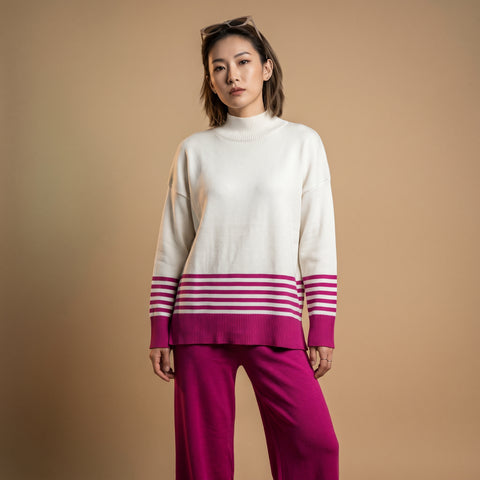
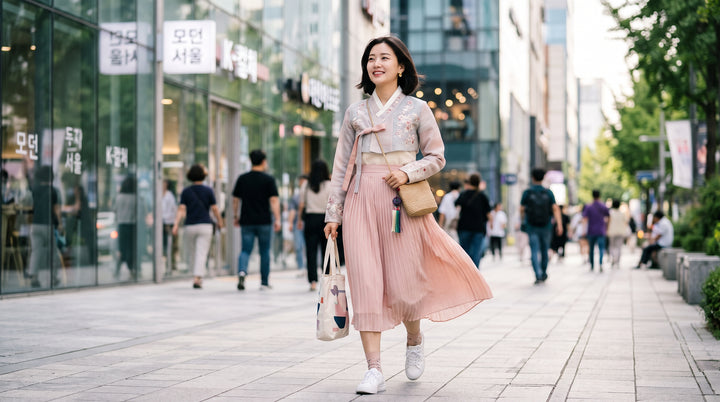
This anecdote highlights the rapid evolution of Korean fashion. In 2014, kpop groups experimented with styles that were sometimes too literal or exaggerated to stand out. Today, the aesthetic is much sharper and more intentional. The influence of streetwear and designer brands has transformed the look of every kpop group. We are far from the awkward outfits of a decade ago. Current idols sport sophisticated looks that inspire digital influencers and trendsetters like velvetkim, redefining the standards of streetwear found on contemporary korean x platforms.
Global Influence and Devoted Fans
The reach of South Korean music culture goes far beyond Asian borders. Whether it is Spanish-speaking fans discussing the best kpop groups or Thai enthusiasts searching for their favorite artists, the community is global and incredibly active. Listeners do not just listen to music, they invest in the entire idol culture.
You only need to look at online searches to understand this constant enthusiasm. Fans regularly check a kpop groups list to discover new talent or remember old favorites. They debate the meaning behind kpop group names with passion. This dedication extends to tracking kpop birthdays, with entire communities searching for kpop idols birthday today to organize special events, charity donations, or billboard ads. This level of devotion explains why a twelve-year-old song can suddenly become a viral hit driven by the power of the community.
The Legacy of Concepts and the Future of K-pop Fashion
Stylistic evolution does not only concern 2014 artists. Other acts have seen their image transform and refine over time. For example, the group pentagon has successfully established bold and daring visual concepts over the years, proving that styling plays a crucial role in the long-term success and identity of a musical work.
For Korean fashion lovers, analyzing the fashion archives of idols is a true passion. The outfits worn in music videos directly influence global streetwear trends. While stage outfits from twelve years ago might make us smile today, they represent a pivotal era where the industry was still finding its global visual identity. Today, the synergy between music and high fashion is complete. Members of these groups are now the faces of the biggest international luxury houses, proving that styling is taken just as seriously as music production itself.
Ultimately, the triumphant return of this track proves that a good song always survives bad styling. For those passionate about Korean culture, however, it is a fascinating reminder of how far the industry has come. Yesterday's stage outfits, even if the artists themselves laugh at them today, are an integral part of the history, evolution, and timeless charm of K-culture.
Discussion
A thought, a correction, a question? Join the conversation.
Read next
Back to Korean K-POP Blog →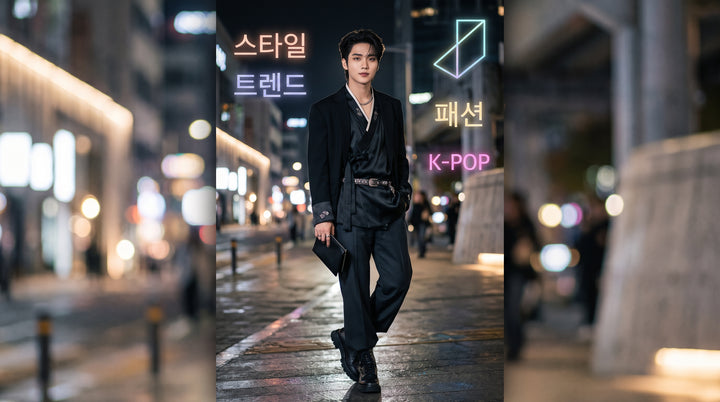
Contents


No replies yet. Start the conversation!